

Why Private AI Systems Are the Future of Business Intelligence
As artificial intelligence becomes a core part of modern business operations, organizations are beginning to recognize a critical challenge: control. While public AI platforms provide powerful capabilities, they often come with limitations in data privacy, customization, and long-term ownership. This has led to a major shift toward private AI systems—custom-built environments where businesses retain full control over their data, models, and outputs.
Private AI is not just a technical upgrade; it is a strategic decision. It allows organizations to move away from generic intelligence and build systems that are deeply aligned with their internal processes, data structures, and long-term goals. By developing proprietary AI capabilities, companies can create a competitive advantage that cannot be replicated by off-the-shelf tools.
The Problem with Public AI Models
Public AI platforms are designed for scale, which means they are optimized for general use rather than specific business needs. While they can deliver quick results, they often lack the depth and precision required for complex decision-making. Additionally, relying on external platforms raises concerns about data exposure, compliance, and dependency on third-party providers.
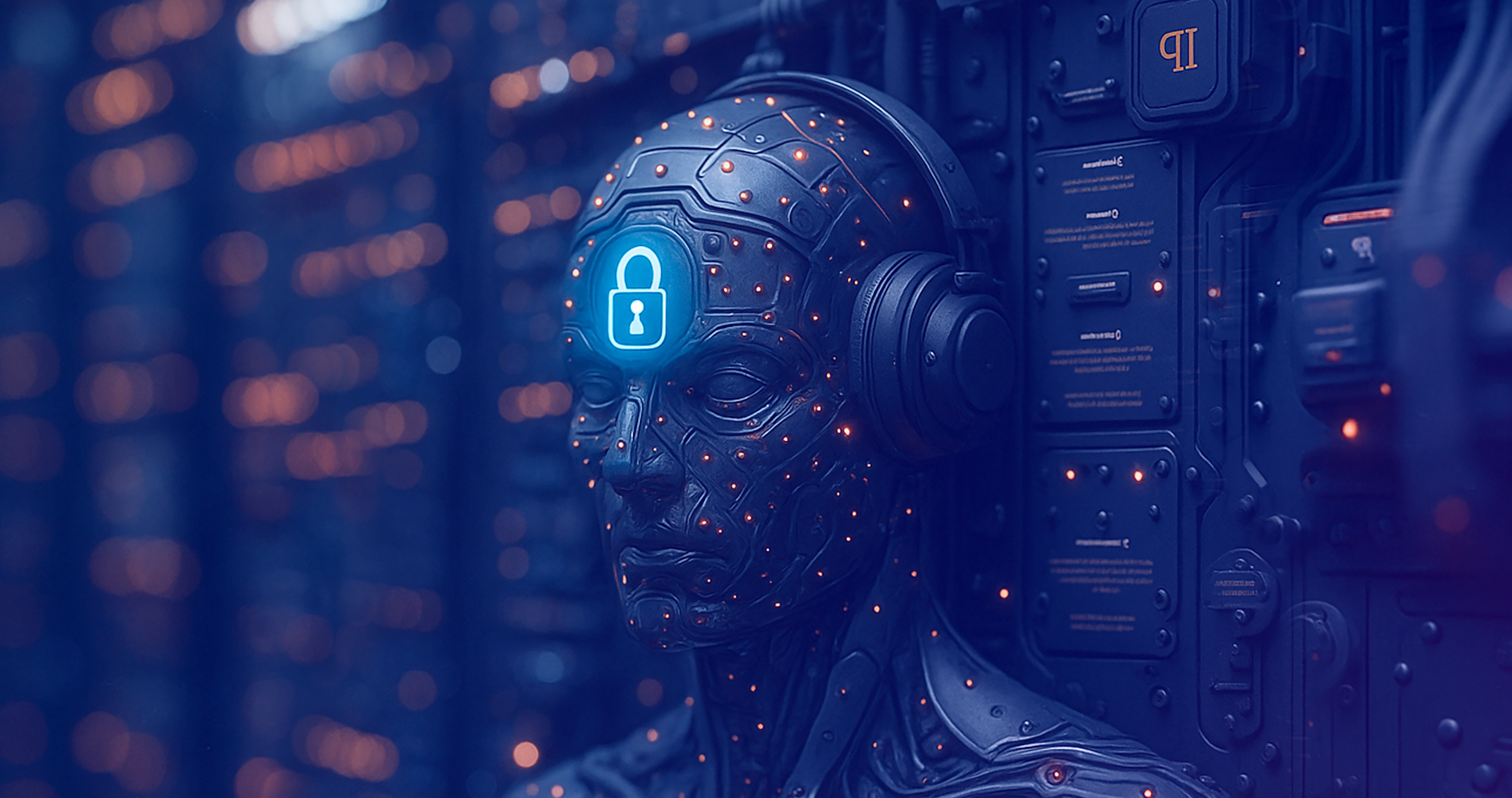
For organizations handling sensitive data—such as financial records, customer information, or proprietary strategies—these limitations can become significant risks. Without full visibility into how data is processed and stored, businesses may struggle to maintain compliance and trust. Private AI systems eliminate this uncertainty by keeping all intelligence within controlled environments.
Advantages of Proprietary Intelligence
One of the biggest advantages of private AI systems is customization. Businesses can train models using their own datasets, ensuring that outputs are highly relevant and aligned with internal workflows. This leads to better accuracy, improved efficiency, and more meaningful insights.
In addition to customization, private AI provides long-term ownership. Instead of relying on external tools, organizations build assets that grow in value over time and become a core part of their competitive strategy.
Conclusion
The future of AI is moving toward ownership, control, and customization. Private AI systems provide the flexibility and security modern businesses need to operate effectively in a data-driven world.
By investing in proprietary intelligence, organizations can unlock deeper insights, stronger performance, and long-term competitive advantage.
Leave a Reply